
No products in the cart.
Homemade Arrowroot Flour

admin
December 23, 2024
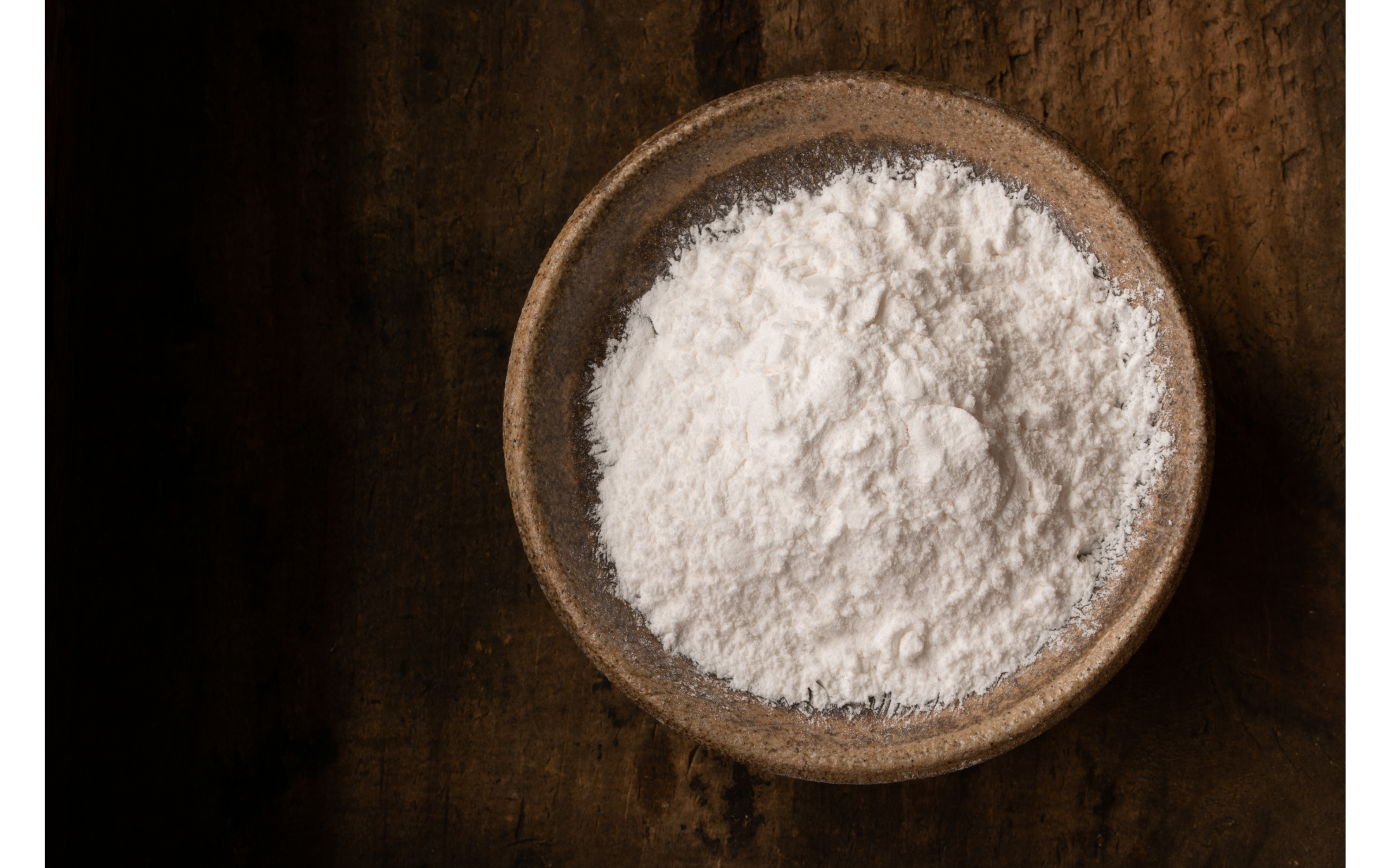
Homemade arrowroot flour is a versatile and naturally gluten-free ingredient ideal for various recipes, especially for those with dietary restrictions. Extracted from the root of the arrowroot plant, this flour is prized for its fine texture, neutral flavour, and excellent thickening properties. It serves as a healthy alternative to cornstarch, making it a staple in sauces, soups, and gravies. Arrowroot flour is also widely used in baking to enhance the texture of gluten-free breads, cookies, and cakes. Packed with easy-to-digest carbohydrates and low in calories, it’s a great option for light and nutritious meals. Preparing arrowroot flour at home ensures purity, free from additives or preservatives, making it even healthier. Whether for thickening, coating, or baking, arrowroot flour adds value and versatility to your kitchen pantry while promoting clean and wholesome cooking.
Reviews
Ingredients:
Adjust Servings
| 5 mature arrowroots (adjust according to amount of flour needed) |
Directions
1.
Selecting The Arrowroots
Choose fresh mature arrowroots rhizomes that are firm and free from mould or damage.
Mark as complete
2.
Cleaning The Arrowroots
Wash the arrowroot rhizomes thoroughly under running water to remove any dirt. Peel to get rid of outer skin.
Mark as complete
3.
Grating The Arrowroots
Grate the peeled arrowroot rhizomes using a fine grater or slice them thinly. The goal is to increase the surface area for drying.
Mark as complete
4.
Drying
Spread the grated or sliced arrowroot on a. clean surface or use a food dehydrator to dry them. If using the sun, place them in a sunny location. The drying process may take a few days. The arrowroot should be completely dry and brittle when ready. It should break easily without any moisture.
Mark as complete
5.
Grinding
Using a coffee grinder, food processor or high quality blender grind the dried arrowroot into a fine powder. Process until you achieve a flour like consistency.
Mark as complete
6.
Sifting
If there are any coarse particles you can sift the arrowroot flour to obtain a smoother texture.
Mark as complete
7.
Storing
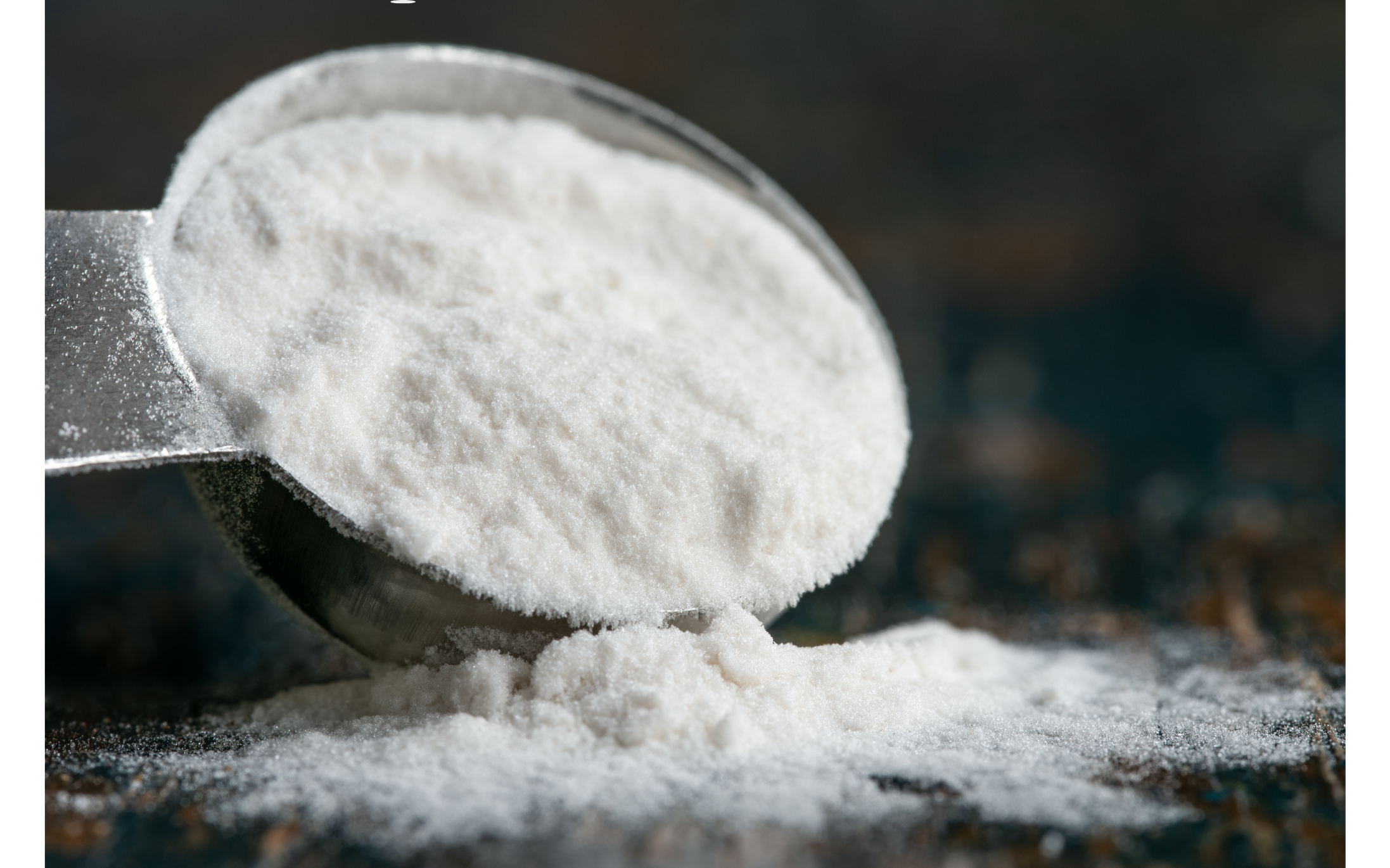
Store your homemade arrowroot flour in an airtight container in a cool, dry place. Use it in a gluten free baking, thickening sauces or as a starch substitute in cooking.
Mark as complete


Leave a Reply